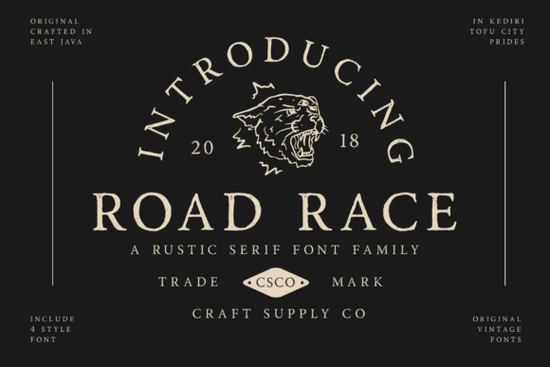
Selecting the right typography sets the mood for any creative project. When you need a design that feels vintage, rugged, or established, a rustic serif typeface often works best. The Road Race Family Font offers a solid solution for these needs. It brings character to your work without sacrificing readability, making it a practical choice for both digital and print media. This typeface family includes four distinct weights, giving you flexibility when laying out headlines or body text.
Designers often struggle to find fonts that look unique but still function well across different mediums. A font that looks great on a screen might lose detail when printed on a t-shirt or a label. This specific collection addresses that issue by providing clear strokes and consistent spacing. Whether you are building a brand identity or creating a one-off craft project, having multiple weights allows you to establish a visual hierarchy. You can use the bold versions for attention-grabbing titles and the lighter versions for detailed descriptions.
What kinds of projects suit this rustic style?
Rustic serifs are particularly effective for businesses that want to convey authenticity. Think about coffee shop menus, outdoor adventure logos, or artisanal product packaging. The texture and shape of the letters suggest history and craftsmanship. For print-on-demand sellers, this style performs well on apparel like hoodies and caps where a strong statement is needed. It also works for wedding invitations that aim for a vintage theme rather than a modern minimalist look.
If you are working on a project that requires a bit more flair, you might explore more decorative serif choices to see what fits your theme. However, for general-purpose branding, keeping it readable is usually the priority. The four weights included in this family allow you to stay within one typeface system while still creating contrast. This consistency helps customers recognize your brand across different platforms, from social media graphics to physical business cards.
How do you mix weights effectively?
Using multiple weights from the same family prevents your design from looking cluttered. When you mix different fonts, you risk creating visual conflict. Sticking to one family ensures harmony. For example, use the boldest weight for your main headline to draw the eye immediately. Then, switch to a regular or light weight for the supporting text. This guides the reader through the information in a logical order.
Kerning and spacing are also critical when working with serifs. Because these letters have small feet and details, they need room to breathe. If you pack them too tightly, the design will look muddy, especially at smaller sizes. Always test your text at the actual size it will be viewed or printed. If you want to see more details on this specific set, you can view the complete weight options to plan your layout accordingly. Proper spacing ensures that the rustic details remain clear and legible.
Where can you find similar or alternative styles?
Sometimes a project requires a different vibe entirely. While rustic serifs are great for vintage looks, they might not suit a tech startup or a medical brochure. In those cases, you might need something cleaner or more structured. It is helpful to compare your current choice with other options to ensure it is the best fit. For a more classical look, consider traditional serif styles instead. These might offer a sharper, more formal appearance suitable for corporate documents.
Having a library of different font styles allows you to adapt to various client needs. If you are a freelancer, versatility is key to securing more work. You can download Road Race Family Font from the marketplace to add this rustic option to your toolkit. Keeping a mix of serif, sans-serif, and display fonts ensures you are prepared for any brief that comes your way.
Practical Tips for Using Serif Fonts
Before finalizing your design, run through this quick checklist to ensure quality and usability:
- Check Licensing: Always verify if the license covers commercial use, especially for print-on-demand products.
- Test Readability: Print a sample at actual size to ensure the serif details do not blur.
- Limit Weights: Try not to use all four weights in a single layout; pick two for contrast.
- Pair Carefully: Combine this serif with a simple sans-serif for body text to improve scanning.
- Backup Files: Keep a copy of the font files in a dedicated folder for future project edits.
Taking these steps helps avoid common pitfalls like licensing issues or poor print quality. Good typography is an investment in your brand's perception. By choosing a versatile family with multiple weights, you save time on future designs because you do not need to search for new fonts every time. Start with a simple layout, apply the bold weight to your key message, and adjust the spacing until it feels balanced. This approach ensures your final product looks professional and intentional.
Try It Free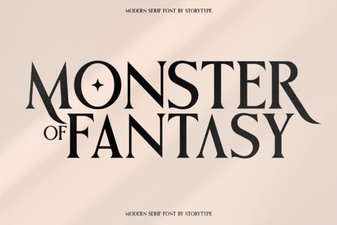 Fantasy Font Monsters for Creative Design Projects
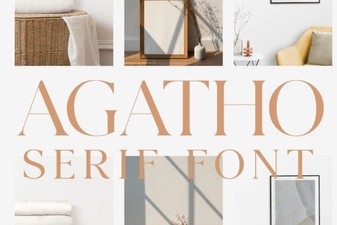 The Agatho Font: Modern Design Elegance
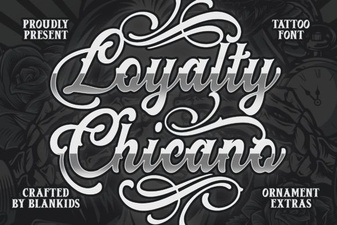 Chicano Font Loyalty Tattoo Design Ideas
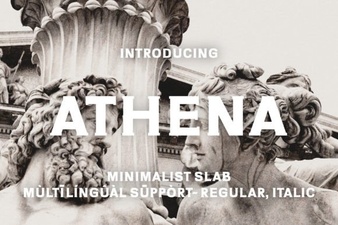 Athena Font: Clean Modern Style for Creative Projects
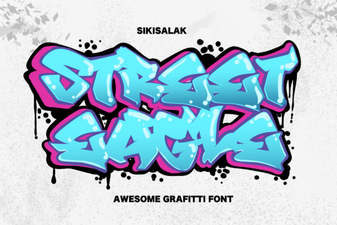 Urban Projects with Street Eagle Graffiti Font
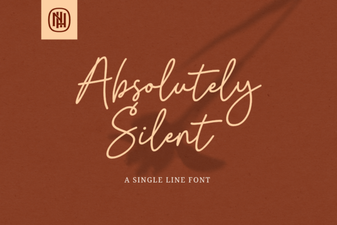 Silent Typeface Designs for Modern Interfaces