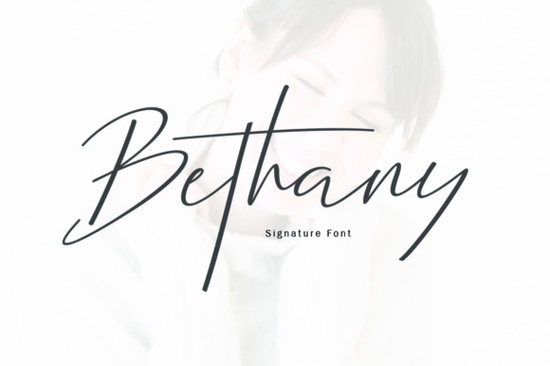
Finding the right typography can make or break a design project. When you need something that feels personal and elegant, the Bethany Script Font is a strong contender. This typeface offers a modern calligraphy script in a handwriting style that resonates well with audiences looking for authenticity. Whether you are designing a logo or creating social media graphics, the flow of the letters adds a human touch that standard sans-serif fonts often lack.
Designers and crafters often search for typefaces that balance readability with artistic flair. This specific script manages to keep legibility high while maintaining the loops and swashes typical of hand-lettering. It works particularly well for projects where emotion and style are key factors. If you are working on wedding stationery or boutique branding, the organic feel helps establish a connection with the viewer immediately.
What projects benefit most from this handwriting style?
The versatility of this font makes it suitable for a wide range of applications. Because it mimics natural handwriting, it feels less corporate and more inviting. You might consider using it for wedding invites where a romantic tone is essential. It also performs well on physical products like mugs and business cards, where texture and style stand out.
For print-on-demand sellers, choosing the right typography is crucial for sales. Quotes and posters featuring this script often perform better because the text feels like it was written by hand. Magazines and editorial layouts also benefit from this style when used for headings or pull quotes. It draws the eye without overwhelming the main body text. When pairing it with simpler fonts, ensure there is enough contrast so the design remains clean and professional.
How does it compare to other modern calligraphy options?
There are many script fonts available, and each brings a different mood to the table. Some are more formal, while others lean towards casual doodles. If you are looking for something with a bit more bounce and playfulness, you might explore alternatives like this playful script option found in our collection. It offers a different energy that might suit children's products or informal branding better.
On the other hand, if you need something quieter and more subdued, this understated typeface could be the right fit. It lacks the heavy swashes of traditional calligraphy, making it easier to read at smaller sizes. For those who prefer a rounder, softer look, this rounded script provides a friendly aesthetic. Each of these options serves a specific purpose, so testing them against your background colors is always recommended.
Sometimes you need something with a bit of mystery or depth. In those cases, this mystical style might align better with your theme. Comparing these options side-by-side helps you understand how stroke weight and curvature affect the overall perception of your brand. The goal is to match the font personality with your business values.
What should you know before downloading?
Before adding any new typeface to your toolkit, check the licensing terms. Most creative assets come with specific rules regarding commercial use. Ensure you have the right license if you plan to sell products featuring the text. Additionally, consider the file formats available. Having access to OTF or TTF files ensures compatibility with your preferred design software, whether that is Adobe Illustrator, Canva, or Procreate.
Installation is usually straightforward, but restarting your design program after installation is a good practice. This ensures the font appears correctly in your type menu. If you plan to use this for web projects, check if webfont files are included or if you need to convert them using a reliable generator. Performance matters when loading text on a website, so optimize accordingly.
How do you pair this with other typography?
Script fonts rarely work well alone in long paragraphs. They are best used for headlines or accents. Pairing them with a clean sans-serif font creates a balanced hierarchy. The simplicity of a sans-serif allows the script to shine without competing for attention. Avoid pairing two scripts together unless you are experienced with typography, as it often leads to visual clutter.
Spacing is another critical factor. Scripts need room to breathe, especially if they have connecting letters or long tails. Increase the line height slightly to prevent overlapping elements. Always test your design at different sizes to ensure the details remain clear. What looks good on a large poster might become illegible on a small business card.
- Check licensing: Verify commercial rights before selling products.
- Test legibility: View your design at 100% zoom and from a distance.
- Pair wisely: Combine with simple sans-serifs for balance.
- Install correctly: Restart your software after installation.
- Compare options: Look at similar styles to ensure this is the best fit.
Taking these steps ensures your final output looks professional and polished. Typography is an investment in your brand's identity, so choosing wisely pays off in the long run. Start by downloading a sample and creating a mockup to see how it feels in your specific context.
Get Started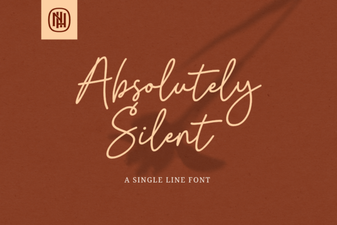 Silent Typeface Designs for Modern Interfaces
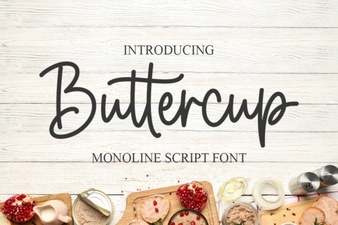 Buttercup Font: Elegant Typography for Your Designs
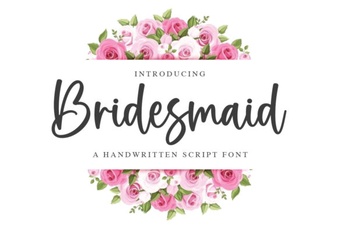 Bridesmaid Fonts for Wedding Craft Projects
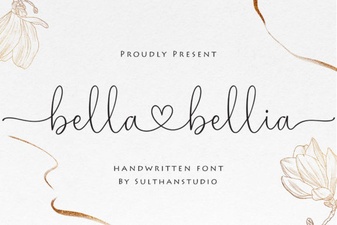 Design with Bella Bellia Font Style
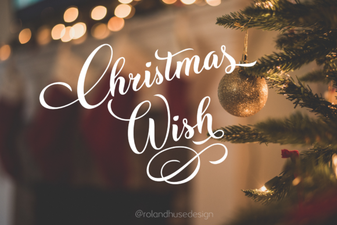 Christmas Fonts to Make Your Wishes Sparkle
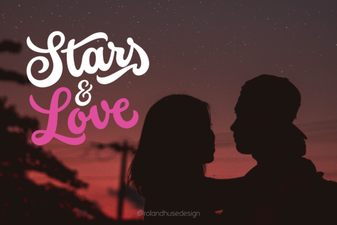 Romantic & Artistic Stars & Love Fonts for Design Projects