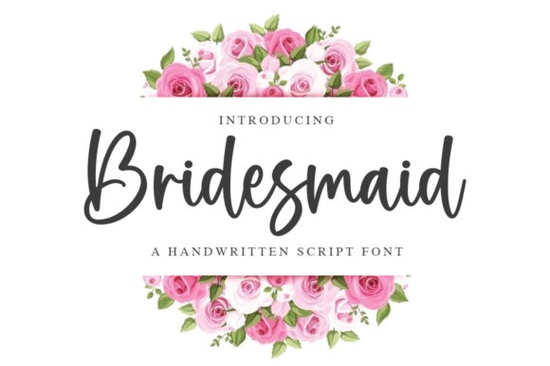
If you need a clean, elegant typeface that reads well on physical crafts, the Bridesmaid Font fits that role without feeling overly ornate. Designers working with wedding stationery, boutique labels, and small business branding often select this style because it balances readability with a soft, hand-lettered appearance. The letterforms carry a quiet confidence, making them reliable for everything from save-the-date cards to branded packaging.
What makes this script typeface suitable for lifestyle branding?
The design uses gentle curves and consistent stroke weights that mimic classic calligraphy without demanding complex kerning. Built-in alternates swap standard characters for decorative versions, preventing repetitive letters from looking flat. Smooth ligatures connect certain pairs naturally, reducing awkward gaps. When placed on light backgrounds or matte paper, the delicate details stay sharp instead of blending into the texture.
Crafters value how the shape handles spacing on curved surfaces like tumblers. Unlike heavier display scripts that crowd together when scaled down, this weight remains legible at smaller dimensions. Small business owners often pair it with a clean sans serif for contact details, creating a balanced hierarchy. If you ever need a slightly softer fallback, you might explore alternatives like the Bethany Script collection or browse seasonal variations such as the Christmas Wish family depending on your release schedule.
How do creators typically apply this to print files?
Sellers preparing files for thermal printers usually convert text to outlines after testing final dimensions. Because the glyph set follows standard OpenType conventions, most vector software handles alignment predictably. Center larger titles on header space and let secondary details sit along the lower margin. Many users run quick tests on cardstock before committing to bulk orders, since ink absorption changes how thin strokes appear under heat press conditions. Digital artists often drop outline layers onto textured brushes to achieve a painted effect without manually tracing each character.
When working with layered compositions, keeping the primary message centered allows surrounding elements to breathe. A simple border or faint botanical illustration behind the words often complements the refined mood better than heavy geometric shapes. Some creators experiment with reversed color blocks, placing dark text over pale rectangles to guarantee contrast. For those building a cohesive brand kit, pairing this style with a structured grid layout maintains professionalism while preserving an artistic touch.
Does the file support advanced character substitution?
Yes, the package includes PUA encoded glyphs, meaning every swash and alternate sits outside the standard character map but remains accessible through font substitution panels. Instead of scrolling through endless menus, you can assign custom shortcuts or import a swatch sheet that maps each decorative option to a specific key. This setup saves time when adjusting longer lines, especially if you need to replace common endings with more stylized terminals. Hobbyists who mix typography often layer two different scripts, masking sections where weights clash until the desired depth appears.
What considerations matter when scaling for merchandise?
Heat transfer vinyl and direct-to-garment printing require slightly wider spacing than standard document layouts. Thin strokes break up if stretched too narrow, so maintaining adequate spacing between connected characters prevents messy edges. Screen printers usually add a hairline outline behind the text to keep negative space crisp. Sublimation artists recommend testing on actual fabric blanks, since dye migration varies by material blend. Keeping your original design slightly larger than the final print size gives you room to trim stray pixels before exporting.
If you want to compare structural differences across catalog releases, checking a detailed breakdown of the Bethany Script library shows how other designers handle baseline consistency. Reviewing multiple specimen sheets helps you recognize which x-height ratios suit your niche. Many independent shops curate a shortlist of versatile families that rotate throughout annual collections rather than chasing every new release.
How should beginners organize their asset folders efficiently?
A straightforward naming system prevents confusion when files accumulate across projects. Label each download with its intended use, weight tier, and license scope. Back up master archives before importing large batches into active design environments. Test unfamiliar packages like the Moon Child style in a blank canvas first, checking for missing ligatures before adding them to templates.
- Create separate directories for personal drafts, client proofs, and ready-to-sell assets
- Run a quick export test on one design before starting full production runs
- Save alt-text descriptions and keywords to match upcoming seasonal trends
- Keep records of font versions alongside purchase receipts for compatibility checks
Start by downloading the specimen sheet, arranging the alphabet, and noting which characters trigger decorative variants. Run a sample print on your chosen material, measure the spacing, and adjust your template settings accordingly. Once you lock in those baseline measurements, applying the typeface to new listings becomes a repeatable workflow rather than a guess.
Explore Design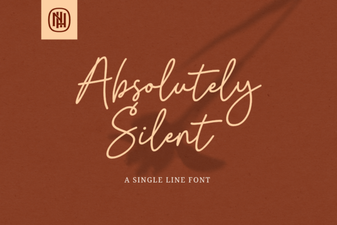 Silent Typeface Designs for Modern Interfaces
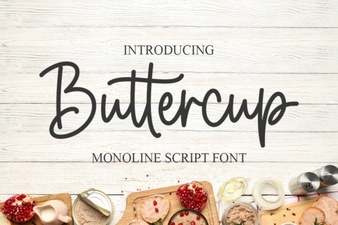 Buttercup Font: Elegant Typography for Your Designs
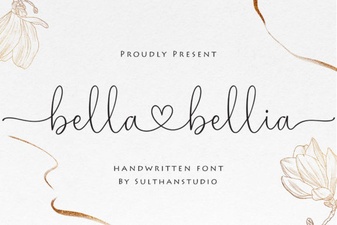 Design with Bella Bellia Font Style
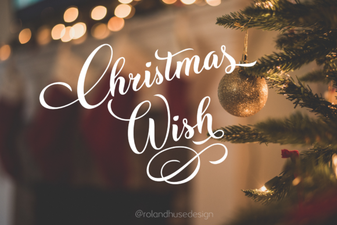 Christmas Fonts to Make Your Wishes Sparkle
 Romantic & Artistic Stars & Love Fonts for Design Projects
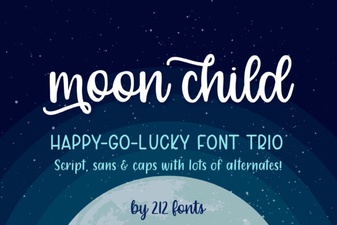 Moon Child Font: Download & Creative Design Guide