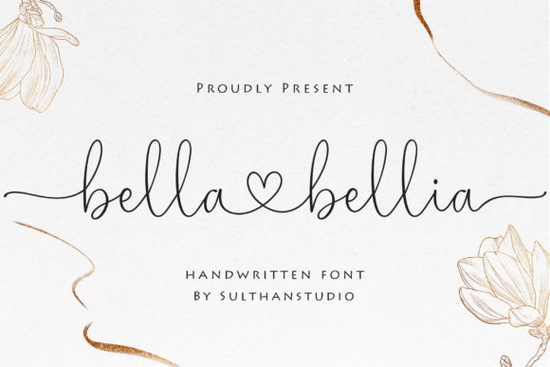
Finding the right typography for a project often feels like searching for a needle in a haystack. You need something that looks professional but still has personality. The Bella Bellia Font is a strong contender for designers who want a script that feels both modern and timeless. It offers a refined look that fits well across various creative industries, from wedding stationery to social media branding. When you are building a visual identity, the font you choose sets the tone for everything else.
What makes this script suitable for modern branding?
Many script fonts lean too heavily into decoration, making them hard to read at smaller sizes. This typeface balances elegance with legibility. The strokes are smooth, and the curves feel natural rather than forced. This is crucial for logos where clarity matters just as much as style. Small business owners often need a mark that looks good on a business card and a storefront sign. A classy, elegant, and modern look helps establish trust with customers immediately.
Because it is versatile, you can use it for high-end products without it feeling out of place. It does not scream for attention, but it holds its own when paired with simpler sans-serif fonts. This balance allows your brand to feel approachable yet sophisticated. For print-on-demand sellers, this means your designs will appeal to a broader audience looking for quality aesthetics.
How do you access the extra glyphs and swashes?
One of the most frustrating parts of using script fonts is dealing with special characters. Often, you need specific software or complex keystrokes to access alternate letters. This font is PUA encoded, which simplifies the process significantly. PUA stands for Private Use Area, and it means all the glyphs and swashes are mapped to standard keyboard keys.
You can access these extras with ease using standard design programs. Whether you are using Cricut Design Space, Silhouette Studio, or Adobe Illustrator, the alternates show up without needing extra plugins. This saves time during the design phase. You can swap out a standard "a" for a fancier version instantly. This feature is particularly helpful for crafters who want to customize invitations or monograms without learning complex typography rules.
Which projects benefit most from this typeface?
While you can use this font for many things, some projects highlight its strengths better than others. Wedding designs are a natural fit because the script feels romantic and formal. It works beautifully on save-the-dates, menus, and venue signage. Stationery sets also benefit from the refined lines, giving paper goods a luxury feel.
Beyond print, it performs well digitally. Social media posts often need text that stands out in a feed without looking cluttered. The clean lines of this script ensure readability on mobile screens. Branding packages also benefit, as the font scales well from large headers to small footers. If you are creating a logo for a boutique or a beauty brand, this style communicates quality effectively.
Are there similar styles worth exploring?
Sometimes you need to compare a few options before making a final decision. If you want to see more from this specific designer, you can view the full collection here to check for matching assets. It is always good to see if there are complementary fonts available from the same creator. However, variety is key in design.
If you prefer something slightly different, this refined alternative works well for those who want a bit more structure. For projects that need a touch of whimsy, a playful yet elegant option might suit your needs better. Some designers prefer a whimsical script style that feels a bit more hand-drawn and organic. Finally, if you are working strictly on nuptial projects, a classic wedding choice is often the safest bet for traditional invitations.
Exploring different script fonts helps you understand what works best for your specific niche. Each has its own personality. Some are bolder, while others are lighter. Testing them in your actual design mockups is the best way to decide. You can download previews to see how they look with your color palette and imagery.
What should you check before downloading?
Before you commit to using any new typography, there are a few practical steps to take. Ensure the license covers your intended use, especially for commercial projects. Check the file formats included to make sure they work with your software. Most modern fonts come in OTF, TTF, and WOFF, but it is good to verify.
- Verify the license: Make sure commercial use is allowed if you are selling products.
- Test legibility: Print a sample at the size you intend to use.
- Check pairings: See how it looks next to your body text font.
- Inspect glyphs: Open the character map to see all available alternates.
Taking these steps ensures you do not run into issues later. Good preparation saves time and prevents frustration during tight deadlines. Once you have verified these details, you can integrate the font into your workflow confidently.
Explore Design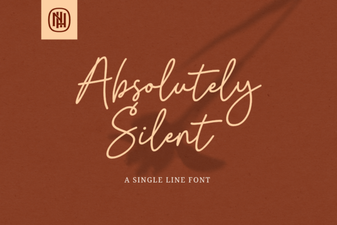 Silent Typeface Designs for Modern Interfaces
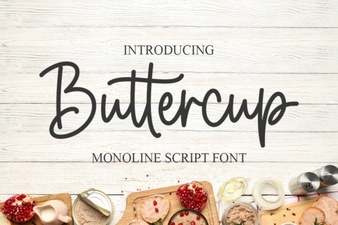 Buttercup Font: Elegant Typography for Your Designs
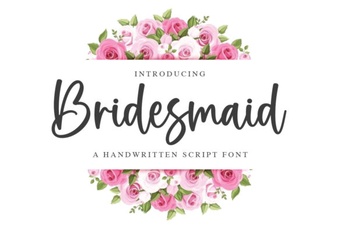 Bridesmaid Fonts for Wedding Craft Projects
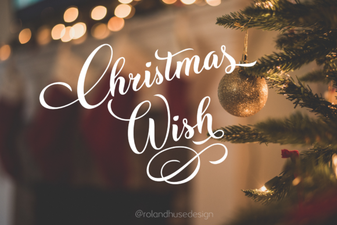 Christmas Fonts to Make Your Wishes Sparkle
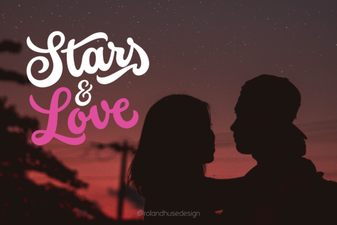 Romantic & Artistic Stars & Love Fonts for Design Projects
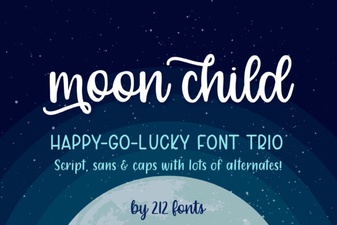 Moon Child Font: Download & Creative Design Guide