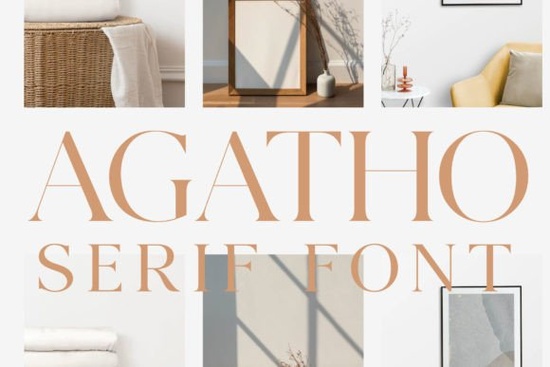
Finding the right typography is often the hardest part of a design project. You want something that feels professional but still has enough personality to stand out. The Agatho Font is a great example of a typeface that balances thin strokes with classic serif structures. It works well when you need clarity without sacrificing style. Whether you are building a brand identity or creating custom merchandise, having a versatile serif in your toolkit can save you hours of searching. This specific typeface offers a cool and elegant vibe that fits many modern aesthetics.
What projects suit this style best?
Thin lettered serifs are incredibly versatile because they feel refined without being too heavy. When you use a font like this, it draws attention to the details of your layout. It is particularly effective for wedding invitations where elegance is key. The thin lines create a sense of luxury that thicker slab serifs might not achieve. Beyond paper goods, this style translates well to digital formats. You might use it for website headings or email newsletters where readability is important but you still want a touch of sophistication.
For print-on-demand sellers, typography is everything. A clean serif can look amazing on t-shirts and tote bags, especially when paired with minimalist graphics. It also works for signage and badges where legibility from a distance matters. If you are looking to browse more options in this specific niche, you can view this serif collection to see similar styles that might fit your broader project needs. Having a few variations allows you to maintain consistency across different products while keeping things fresh.
How does it compare to other serif options?
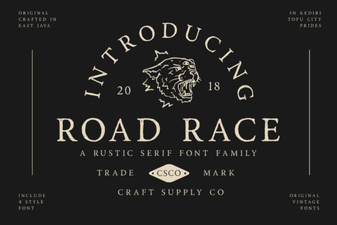
Not every project needs the same weight or mood. Sometimes you need something with more movement or a different historical feel. For instance, if you want a style that feels a bit more dynamic for a sports brand or an energetic logo, you might explore the Road Race Family style. That type of typography often brings more speed and motion to the design, which contrasts with the static elegance of a thin serif.
On the other hand, if you are working on something thematic like a book cover or a fantasy game asset, you might need characters with more flair. In those cases, checking out the Monster of Fantasy look could provide the decorative elements you need. Comparing these options helps you understand where your main typeface fits. The Agatho style is grounded and clean, making it a safer bet for corporate work or high-end retail, whereas the others might serve niche markets better.
Pairing and Technical Considerations
When you select a thin serif, pairing it correctly is crucial for readability. These fonts often look best when paired with a simple sans-serif for body text. This creates a hierarchy where the serif acts as the voice and the sans-serif does the heavy lifting for long paragraphs. Avoid pairing it with another decorative font, as this can make the design look cluttered. Keep the background clean too; busy textures can get lost against thin strokes.
Licensing is another factor to keep in mind. Always check if the license covers commercial use, especially if you plan to sell products like logos or merchandise. Most marketplaces offer different tiers, so ensure you have the right permissions before launching a product. This protects your business from legal issues down the line. It is also wise to download the full family if available, giving you access to bold or italic variants that add flexibility to your designs.
What should you consider before downloading?
Before you commit to a new typeface, think about your long-term needs. Will this font still work if your brand expands? Is it legible on mobile screens? Thin serifs can sometimes disappear on small displays, so test your designs at different sizes. If you find the strokes are too fine for your specific use case, you might need to adjust the tracking or leading to open up the letters. This small tweak can improve readability significantly without changing the font itself.
It is also helpful to look at how other designers are using similar tools. Seeing real-world examples can inspire new ways to apply the typeface in your own work. You might discover that it works well for packaging labels or even social media quotes. The goal is to find a tool that reduces your workload, not adds to it. A reliable font should feel like a natural extension of your creative process.
Here is a quick checklist to help you decide if this typography is right for your next project:
- Check Legibility: View the text at small sizes to ensure the thin lines remain visible.
- Verify Licensing: Confirm that the license allows for commercial use if you are selling products.
- Test Pairings: Try combining it with a simple sans-serif to see if the contrast works.
- Consider Medium: Ensure the font works well on both print and digital screens.
- Review Alternatives: Look at related collections to ensure you have the best fit for your specific niche.
Taking these steps ensures you choose a typeface that supports your goals rather than limiting them. With the right preparation, you can create designs that look professional and stand the test of time.
Learn More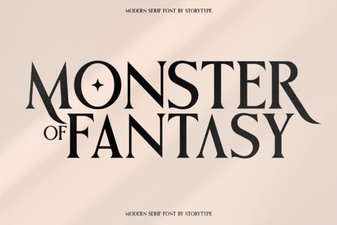 Fantasy Font Monsters for Creative Design Projects
 Road Race Family Font: a Friendly Display Typeface
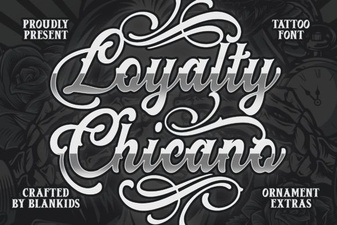 Chicano Font Loyalty Tattoo Design Ideas
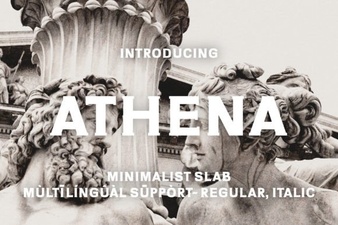 Athena Font: Clean Modern Style for Creative Projects
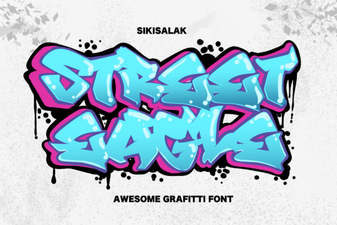 Urban Projects with Street Eagle Graffiti Font
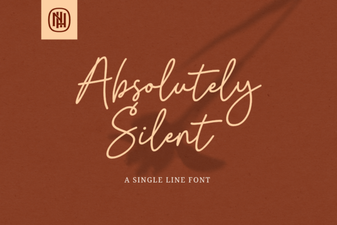 Silent Typeface Designs for Modern Interfaces