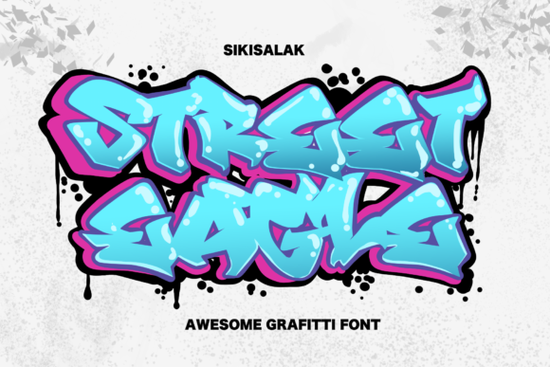
If you need a typeface that instantly brings an urban, hand-drawn energy to your layout, Street Eagle Graffiti Font delivers exactly that without feeling cluttered. The letterforms combine sharp angles with flowing strokes, creating a style that reads clearly even at smaller sizes. You get a complete set of uppercase characters, numbers, and basic punctuation right out of the box, which saves time when you are building posters, social media graphics, or merch files. Browse the full asset page for Street Eagle Graffiti Font to view live previews and test different backgrounds.
What makes this display typeface work for mixed-media projects?
The structure relies on thick, grounded stems and tapered ends that mimic marker work while staying precise enough for vector tracing. When you stretch or compress it slightly, the shapes hold their character instead of breaking into awkward gaps. That consistency matters when you scale artwork from a phone screen up to a large vinyl cut or transfer sheet. You will notice how the spacing remains balanced, leaving just enough breathing room between letters so your text never feels crowded on the canvas. If you want to explore similar rough-hewn options, checking out a dark, weathered gothic style can show you how texture changes depending on your mood board.
Where can you apply this urban lettering style?
This family fits naturally into several everyday design workflows. Print-on-demand creators often use it for streetwear tees, tote bags, and sticker sheets because the high-contrast strokes pop against both light and dark fabrics. Home crafters love it for cutting files since the paths close cleanly, reducing weeding time on Cricut or Silhouette machines. Wall art makers frequently layer it behind watercolor textures or geometric shapes to create custom nursery prints, gym posters, or motivational quotes. Instead of searching for bold athletic scripts or soft handwritten styles, many designers stick with this single file and rotate its weight across different backgrounds.
Apparel and print-on-demand setups
When preparing mockups, keep the main phrase centered and let the edges breathe. Adding a subtle drop shadow or outer glow rarely improves the raw street vibe, but a thin white stroke around dark colors can stop the letters from blending into busy photo backgrounds. Always convert outlines before sending to suppliers, and run a test print on scrap fabric to verify ink absorption matches your expected finish.
Home décor and signage applications
Layer this typeface over linen textures, concrete walls, or brushed metal gradients to simulate real-world installation. Cut the letters at 300 DPI minimum, then export them as SVG or PNG with transparent backgrounds. If you plan to mount them on wood panels, leave a half-inch margin around the bounding box so the saw blade does not chip the corners during routing.
How do you balance it with supporting typography?
Clean, neutral faces always win when paired with loud display families. Try a modern grotesque or rounded geometric sans for subtitles, contact details, or menu grids. Keep the hierarchy strict: large headline, medium subhead, small body text. Avoid stacking multiple decorative weights on the same page, because eye fatigue sets in quickly when every line demands attention. Designers looking for gentler alternatives sometimes browse collections like delicate cursive scripts to soften a composition without losing readability.
Is licensing straightforward for small business owners?
Creative Fabrica distributes most of its display assets under clear usage terms that cover digital ads, printed merchandise, and client deliverables. You still need to review the license PDF attached to your purchase, especially if you plan to resell unaltered font files or embed them directly into software templates. Remember that trademark protection applies to the final logo mark, not the underlying typeface itself, so adding custom symbols or reworking the letter shapes helps keep your brand safe.
What should you verify before starting your project?
Open the preview file first and type a full alphabet string to catch missing glyphs or broken ligatures. Test scaling behavior by copying the text block, enlarging it by two hundred percent, and watching for unintended spikes. Export a low-resolution version to check contrast ratios against your intended background color.
Quick pre-launch checklist
- Verify glyph coverage: Type your actual campaign copy, not placeholder lorem ipsum.
- Test edge clarity: Zoom to 400 percent to spot jagged curves or tiny overlapping nodes.
- Lock file formats: Save master drafts in .AI or .FIG before flattening layers for clients.
- Check contrast ratios: Run your color pairing through a free accessibility checker to meet WCAG standards.
Next step: Download the sample pack, paste your own quote into the master sheet, and export a 1:1 proof before ordering bulk production runs.
Learn More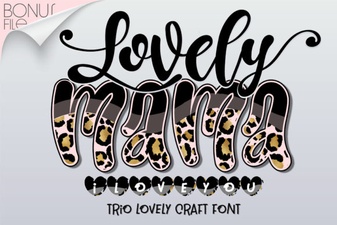 Design Projects Using Lovely Mama I Love You Font
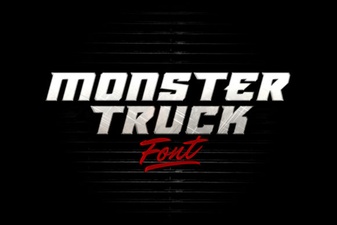 Design Bold Monograms with Monster Truck Fonts
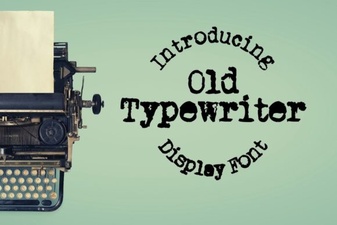 Typography Tools: Vintage Typewriter Font Resources
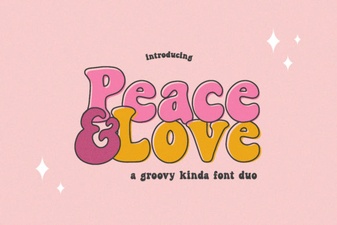 Peace & Love Fonts for Creative Projects
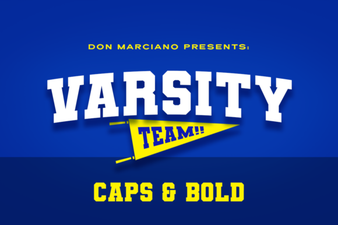 Varsity Team Fonts for Sports Designs & Projects
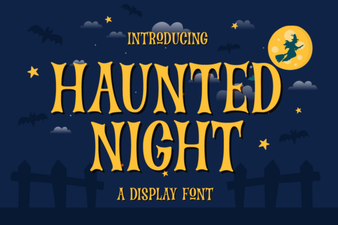 Haunted Night Fonts for Creative Digital Projects