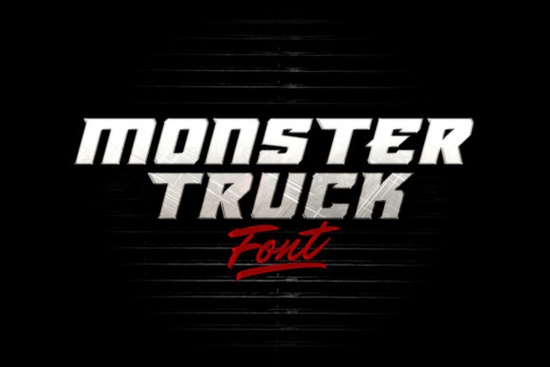
Designers often struggle to find typography that screams energy and movement. If you are working on a project related to motorsports, extreme activities, or anything requiring a bold statement, the Monster Truck Font is a strong candidate. It brings a modern, heavy feel that captures attention immediately without needing extra embellishments. This typeface is built for impact, making it ideal for headlines that need to stand out on a crowded shelf or a busy social media feed.
When selecting a display font, context matters. You might be tempted to use something softer, but speed-related designs demand weight. The thick strokes and rugged edges communicate power. This is different from using Peace and Love Font, which suits retro vibe designs better than a racing logo. Understanding the mood your text conveys helps you choose the right tool for the job. While peace signs and flower power have their place, they do not convey the same adrenaline as a heavy, blocky typeface.
Where Should You Use Bold Display Fonts?
The primary use case for this style is anywhere you need immediate recognition. T-shirt designs for sports teams benefit greatly from thick lettering that remains readable from a distance. Print-on-demand sellers often look for assets that work well on dark backgrounds, and this font excels there. You can also use it for event posters, YouTube thumbnails, or vehicle decals. The goal is legibility combined with attitude.
If you are exploring urban themes, you might compare this to graffiti styles. For example, the Street Eagle Graffiti Font offers urban street styles that are more chaotic. The Monster Truck option is cleaner while still maintaining that rough edge. It strikes a balance between professional branding and raw energy. This makes it safer for commercial logos where readability is crucial for customer retention.
How Does It Compare to Other Styles?
Typography selection often comes down to the era you wish to evoke. Sometimes a project requires a mechanical look from the past. In those cases, you might explore the Old Typewriter Font to capture vintage mechanical aesthetics. That style suggests history and manual labor. In contrast, the modern display font discussed here suggests current technology and high performance. Knowing the difference helps you align your design with the brand's story.
Seasonal projects also dictate font choice. During October, designers often reach for spooky themes. The Haunted Night Font is perfect for spooky seasonal projects involving ghosts or horror. However, if you are designing for a monster truck rally happening in October, you still want the heavy sports font rather than the horror one. Context overrides seasonality when the subject matter is specific.
What Are the Best Practices for Implementation?
Once you have selected this heavy display option, consider how you apply it. Do not use it for long paragraphs of text. Display fonts are designed for headings only. Body text should remain simple, like Arial or Helvetica, to ensure readability. Pairing a bold header with a clean sans-serif body creates a professional hierarchy. This prevents the design from looking too aggressive or hard to read.
File formats matter too. Ensure you download both OTF and TTF versions if available. This guarantees compatibility across different software like Adobe Illustrator, Photoshop, or Canva. Always check the license agreement. Most creative assets allow commercial use, but some restrict the number of print runs or require an extended license for merchandise. Verifying this before you start selling prevents legal issues later.
For further reading on how typography influences consumer behavior, you can review Monster Truck Font usage examples in design galleries. Seeing how others apply similar weights can inspire your own layouts. Pay attention to kerning and leading. Bold fonts often need extra space between letters to avoid looking like a solid block of ink. Adjusting these settings manually gives you control over the final appearance.
Quick Design Checklist
- Check Legibility: Ensure the text is readable at small sizes on mobile screens.
- Verify License: Confirm commercial rights before using on products for sale.
- Pair Wisely: Combine with a simple sans-serif font for body text.
- Test Backgrounds: Make sure the bold letters stand out against both light and dark colors.
- Adjust Spacing: Manually tweak letter spacing to prevent crowding.
Taking these steps ensures your final design looks professional and communicates the right message. Whether you are making a logo for a local garage or a graphic for a sports event, the right typography does the heavy lifting for you. Focus on clarity and impact, and your audience will understand the energy you intend to share.
Learn More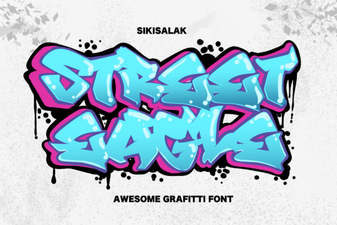 Urban Projects with Street Eagle Graffiti Font
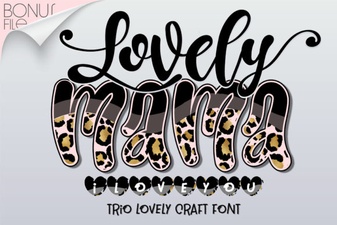 Design Projects Using Lovely Mama I Love You Font
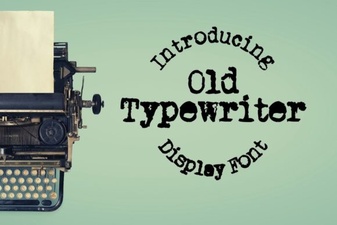 Typography Tools: Vintage Typewriter Font Resources
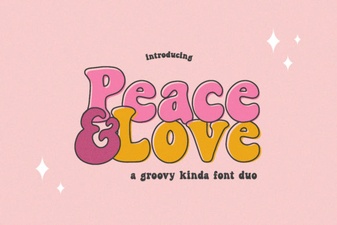 Peace & Love Fonts for Creative Projects
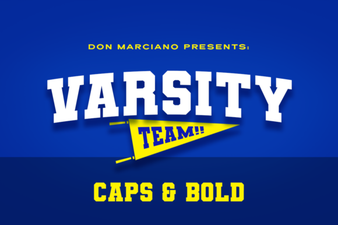 Varsity Team Fonts for Sports Designs & Projects
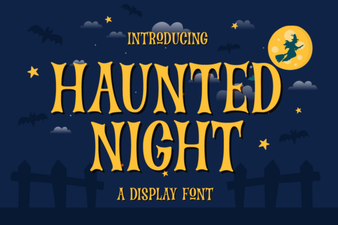 Haunted Night Fonts for Creative Digital Projects