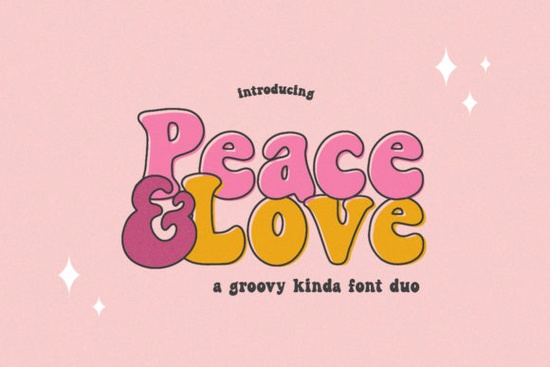
When you need a typeface that captures a specific era of fun and freedom, finding the right display font makes all the difference. The Peace and Love Font is designed to bring that retro 1970s vibe straight into your modern projects. It works especially well for children themed designs where bright colors and playful shapes are key. Whether you are making custom t-shirts for a family reunion or designing nursery wall art, this style adds a layer of warmth and nostalgia that clean sans-serifs often miss.
What kind of projects work best with this style?
This type of typography shines when the goal is to evoke happiness and simplicity. Because the letters have a hand-drawn, uneven quality, they feel approachable rather than corporate. You might use this for print-on-demand products like tote bags, stickers, or greeting cards. It is particularly effective for spring and summer collections where pastel palettes are popular. If you are selling on marketplaces, listings that feature this font often perform well in categories related to parenting, holidays, and casual wear.
For crafters using cutting machines, this font is usually available in formats compatible with standard software. This means you can easily resize it for vinyl decals without losing the character of the curves. Just remember to check the line thickness if you are cutting small details, as retro display fonts can sometimes have tight spacing.
How do you mix this with other typography?
While this font is great on its own, pairing it with a contrasting typeface can improve readability for longer messages. You want a secondary font that doesn't compete for attention. For example, if you are designing a poster that needs a spooky twist for October, you might swap the main header for something like spooky display options while keeping the body text simple. This creates a clear hierarchy between the headline and the details.
If your project requires a more mechanical or structured look for the information below the main headline, consider using a typewriter style. A font like typewriter styles can ground the playful energy of the header with some stability. This combination works well for invitations where you want a fun title but clear date and time information.
Sentimental gifts often benefit from softer pairings. When making something for a mother or a caregiver, combining the retro header with a script like mother-themed scripts can enhance the emotional impact. The mix of bold retro letters and flowing cursive creates a balanced composition that feels personal.
Sometimes you need something much bolder to contrast against the fun curves. If you are designing for a sports team or a rugged event, pairing this with rugged typefaces can create an interesting tension between soft and hard elements. Similarly, for school-related projects that need a traditional feel, you might look at college-style letters to handle the team names while using the retro font for the mascot or slogan.
What colors work well with groovy fonts?
The original era this font mimics was known for vibrant hues. Orange, mustard yellow, and avocado green are classic choices that authenticate the look. However, for children's designs, you can push the saturation higher. Think bright pinks, cyans, and purples. When placing text over a background, ensure there is enough contrast. A dark outline or stroke around the letters can help them pop against busy patterns or photographs.
Gradient fills are also very popular with this style. Applying a smooth transition from warm to cool colors within the letters themselves can make the design feel dynamic. Just be careful not to make the text too busy to read from a distance. Simplicity is usually the best approach for display text.
Is it suitable for commercial use?
Always review the license before selling products. Most fonts on creative marketplaces come with a standard license that allows for physical end products like shirts and mugs. However, digital resale, such as selling the font file itself or editable templates, often requires an upgraded license. Read the specific terms provided on the product page to avoid issues with your shop. Keeping your files organized and documenting your licenses is a good habit for any small business owner.
Quick Design Checklist
- Check Legibility: View your design at 100% size to ensure tight loops are readable.
- Contrast Colors: Use dark text on light backgrounds or vice versa for clarity.
- License Verification: Confirm your license covers the specific products you plan to sell.
- Pair Wisely: Use a simple sans-serif or serif for body text to balance the display font.
Start by sketching your layout on paper before moving to your design software. This helps you visualize how the retro curves interact with your other elements. Once you are happy with the composition, export your files in high resolution for the best print quality.
Explore Design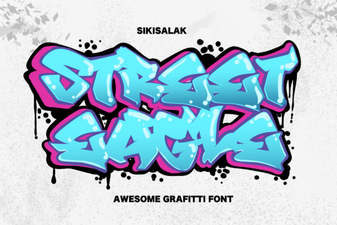 Urban Projects with Street Eagle Graffiti Font
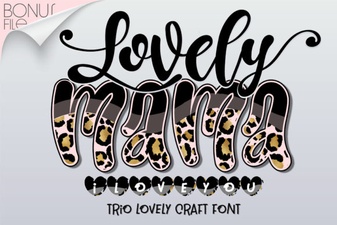 Design Projects Using Lovely Mama I Love You Font
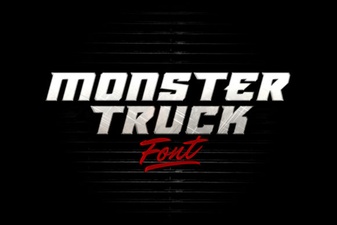 Design Bold Monograms with Monster Truck Fonts
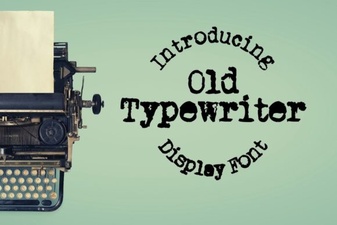 Typography Tools: Vintage Typewriter Font Resources
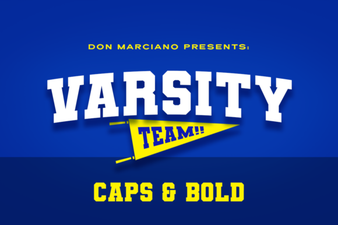 Varsity Team Fonts for Sports Designs & Projects
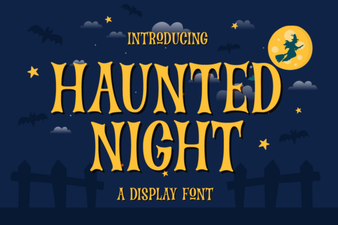 Haunted Night Fonts for Creative Digital Projects